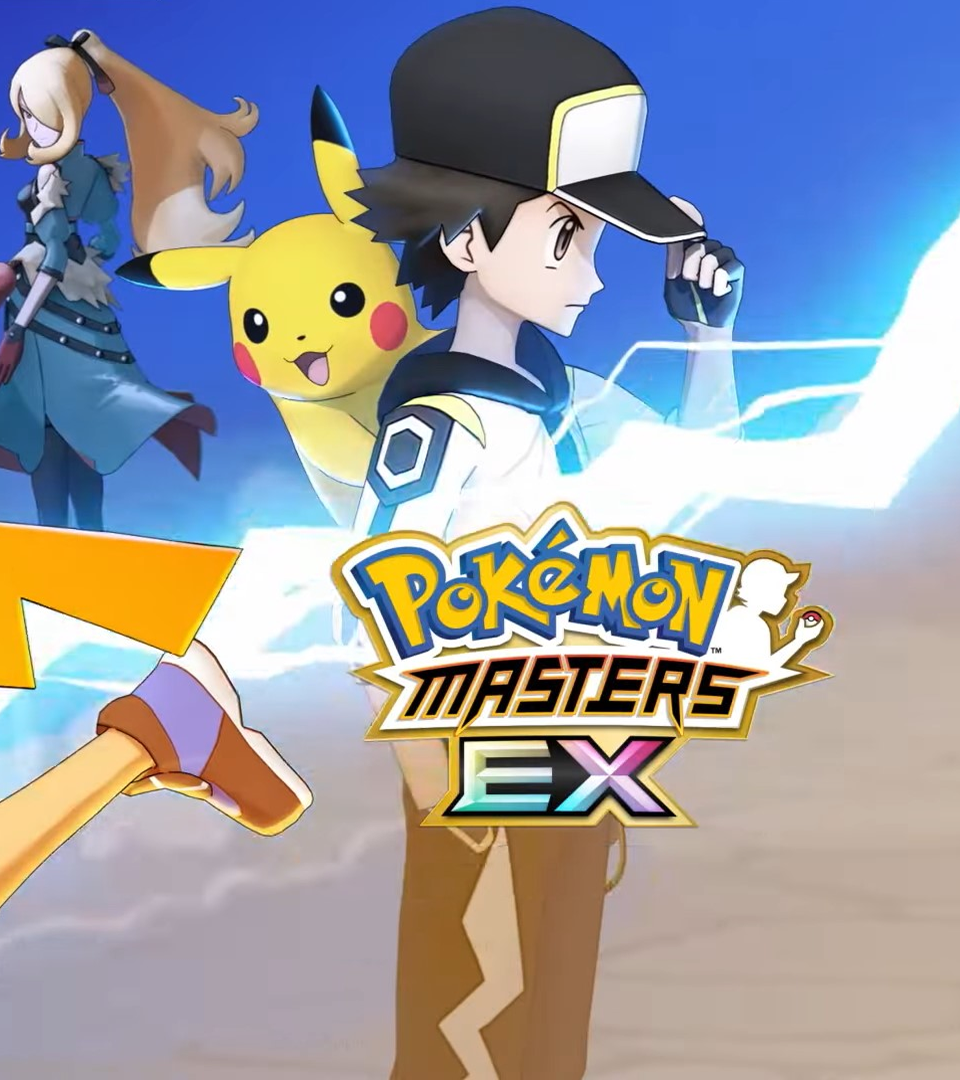
Supporting DeNA’s internal team, Neon transformed Pokemon Masters’ mature game UA — rebuilding event optimization and expanding to new channels to unlock 2x blended ROAS.

The Challenge
Pokemon Masters had built a substantial player base, but user acquisition efficiency hit a plateau. DeNA’s internal team was running UA at scale with campaigns on Meta and Google but the existing optimization structure was driving spend toward users who installed without becoming engaged, paying players. The primary optimization objective across both platforms was oriented around traffic volume rather than the downstream in-app behavior that actually generated revenue.
Google in particular had become ROI-negative: campaigns were generating installs at cost but not the in-app purchase activity needed to justify the investment. The game was also facing the natural attrition of a mature title: a growing segment of previously engaged players had lapsed, with no systematic infrastructure to recapture them.
DeNA’s goal was specific: bring in a partner to support the internal UA team with specialized execution. The engagement needed to operate as a technical extension bringing event architecture expertise and channel capability to complement what the internal team already knew about the game and its players.
The Strategic Insight
The core diagnosis was an optimization objective mismatch. Both Google and Meta had more than enough data to train effective models but only if those models were pointed at the right in-app signal. Optimizing for MAI (mobile app installs) generates install volume with no downstream quality filter. The shift to IAA (in-app action) optimization toward purchase events would force the algorithm to find users who actually convert to paying players. The result is a fundamentally different user profile.
On the retention side, lapsed users were being treated as lost revenue rather than as a recoverable segment. Pokemon Masters had rich behavioral data on previously engaged players. Where they dropped off, what preceded churn, which engagement patterns predicted return likelihood. A lifecycle-segmented retargeting program could reactivate a meaningful share of users at profitable economics.
The channel expansion opportunity also came into play. TikTok and Snapchat offered access to mobile gaming demographics that Meta and Google weren’t reaching efficiently. Entering these platforms wasn’t diversification for its own sake, it was an incremental audience strategy targeting users the existing channels couldn’t find.
The Execution
Google campaigns were structurally rebuilt from the ground up: optimization objectives moved from MAI to IAA targeting purchase events, retraining the algorithm to optimize for players who spend rather than players who install. This single change combined with complementary creative transformed Google from ROI-negative to positive. D7 Google ROAS improved 3x in the months following the transition.
Meta campaigns were restructured in parallel, shifting optimization focus from volume objectives toward in-app events that correlated with high-LTV player behavior. Retargeting was rebuilt around lifecycle segmentation, identifying lapsed users by recency and historical engagement depth, then targeting with re-engagement creative tailored to their specific player profile and churn point.
TikTok and Snapchat were architected as incremental audience channels with native campaign structures. Both platforms were configured independently to take advantage of each platform’s unique inventory dynamics rather than replicating existing Meta or Google configurations.
Creative strategy was rebuilt to support the new optimization architecture. With campaigns now targeting in-app purchase events, creative needed to attract users predisposed to deep engagement and spending not just initial download. The brief shifted from broad awareness hooks or promotions to content emphasizing gameplay depth, competitive elements, character collection progression, and event-driven content aligned with in-game seasonal moments.
Google creative was rebuilt in tandem with the event mapping change. The previous library was oriented around install conversion; the revamped approach emphasized the competitive and collection layers of Pokemon Masters that drive ongoing spend behavior. Extensive USP testing found breakout audiences.
TikTok and Snapchat creative was developed natively for each platform. Short-form gameplay clips and platform-native formats rather than repurposed mobile ad assets. Early performance confirmed the incremental audience hypothesis: these platforms were reaching mobile gaming users not accessible through Meta and Google at competitive economics.
The measurement overhaul began with event mapping. Auditing every available in-app event to identify the purchase-adjacent signals most predictive of LTV. Clean event pipelines were established for Google UAC and Meta, ensuring the in-app action signals feeding optimization algorithms were accurate and deduplicated. D7 Google ROAS was tracked as the primary leading indicator following the MAI-to-IAA transition.
Retargeting performance was measured against incremental reactivation rather than total attributed conversions. This helped isolate the lift attributable to retargeting from organic return behavior to ensure budget was generating genuine incremental value. Lapsed user audiences were segmented by recency and engagement depth, with separate performance reporting per cohort.
Channel-level ROAS was tracked independently for UA and retargeting across each platform. This granularity allowed the team to confirm that the 3x D7 Google improvement was directly attributable to the optimization objective change, and that TikTok and Snapchat were delivering truly incremental users rather than cannibalizing existing channel conversions.
Client Testimonial
The Results
The event optimization rebuild delivered results across every tracked dimension. Overall blended ROAS improved 2x, the headline result DeNA was targeting. Against the client’s original ROAS goal, actual performance came in 5x higher, demonstrating that the shift to quality-signal optimization was generating user improvements far beyond initial projections.
Google’s transformation was the most dramatic outcome. A channel that had been ROI-negative became profitable in the mix following the MAI-to-IAA architecture change. D7 Google ROAS improved 3x, providing early confirmation that the algorithm was now training on the right signal. Combined UA and retargeting ROAS improved 20% blended with retargeting contributing meaningful incremental reactivation of lapsed players.
TikTok and Snapchat validated the incremental audience hypothesis with strong engagement metrics from demographics not being reached through Meta and Google. The engagement demonstrated that for a mature mobile game with an established internal team, the highest-leverage intervention isn’t necessarily more spend or better creative, it’s the precision of the feedback loop feeding the optimization algorithm.
Case study Summary
Neon Growth helped DeNA improve Pokemon Masters’ ROAS 2x through a comprehensive event optimization overhaul and channel expansion. By shifting Google campaigns from MAI to IAA purchase optimization, restructuring Meta around high-LTV signals, rebuilding retargeting with lifecycle segmentation, and expanding to TikTok and Snapchat, Neon transformed Google into the most profitable channel and exceeded DeNA’s original ROAS goal by 5x.
Want results like these? Let's talk about your brand's potential.
Book a call →Key Takeaways
Frequently Asked Questions
Bring your growth target and your biggest roadblocks. We'll show you where the next gains are.
Talk to a Partner →Related Results